Chinese Dragons: Guardians of Nature and Fortune
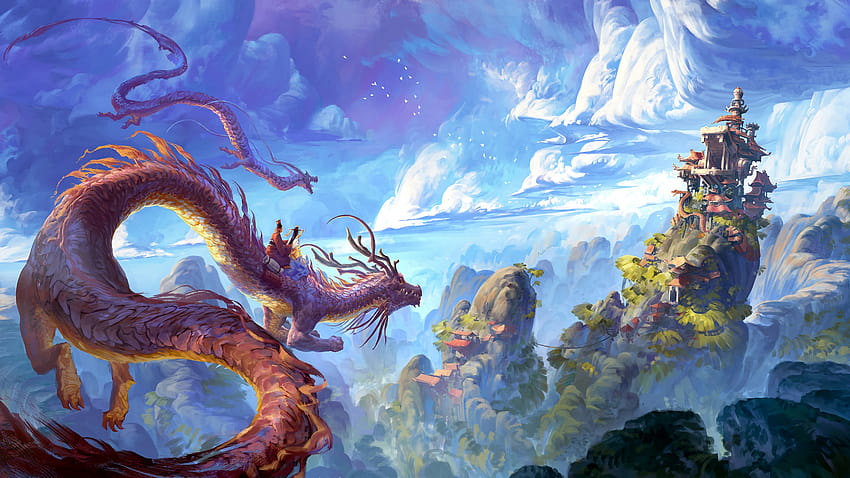
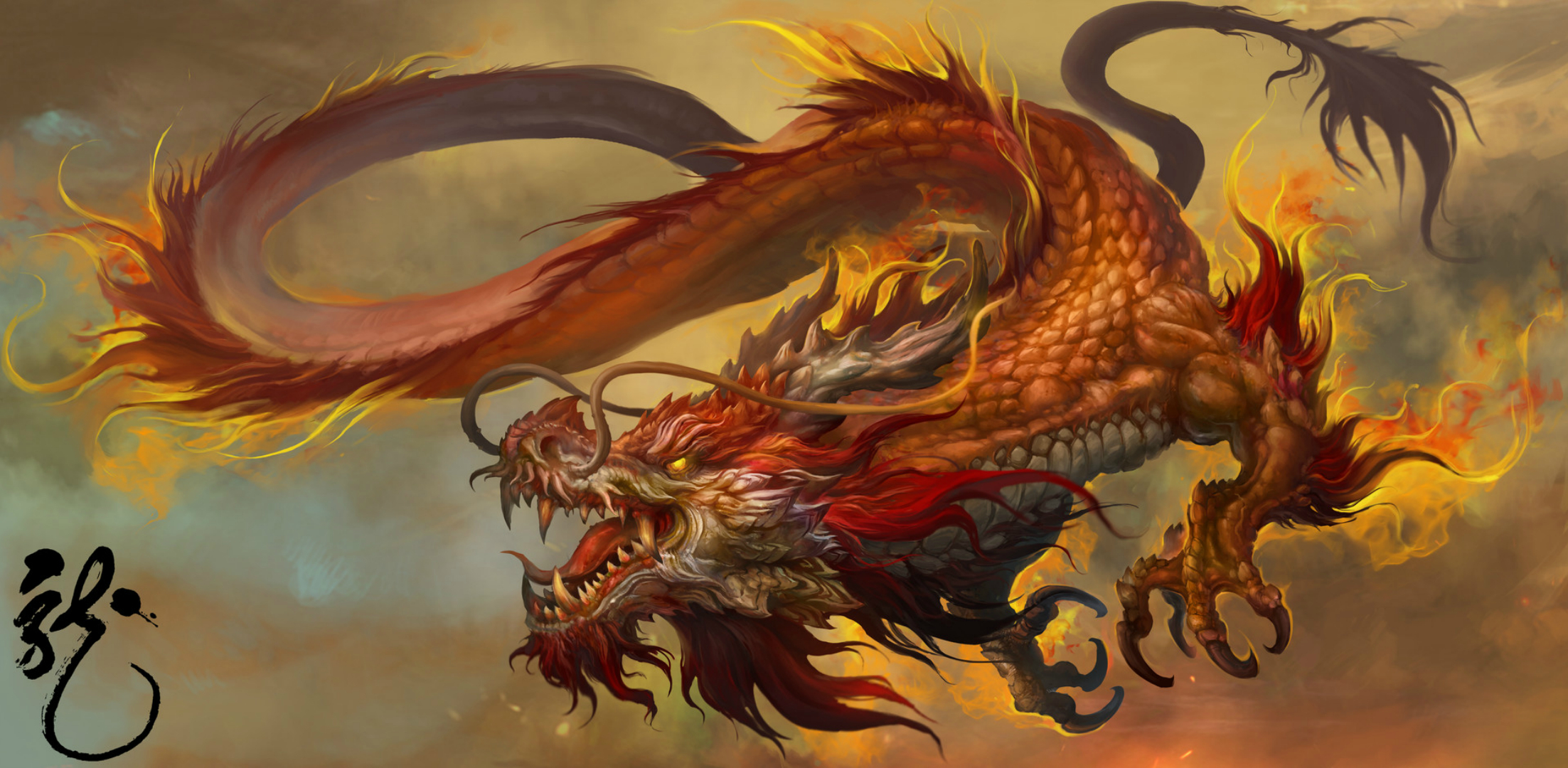
Chinese dragons are among the most iconic and revered mythical creatures in Asian culture. Unlike their Western counterparts, Chinese dragons are seen as benevolent, wise, and powerful beings, often associated with prosperity, strength, and good fortune. These dragons are typically depicted as long, serpentine creatures with the features of various animals: the body of a snake, the horns of a deer, the face of a camel, the eyes of a rabbit, and the claws of an eagle. Their presence is often tied to water, with many legends describing them as controlling rivers, seas, and rainfall, playing crucial roles in agriculture and ensuring harmony between heaven and earth. The dragon is also symbolic of the Emperor of China, representing imperial authority and divine right to rule.
In Chinese mythology, dragons are central to several stories, most notably the myth of the "Dragon Gate." According to this legend, a carp that swims up the Yellow River and leaps over the Dragon Gate waterfall will transform into a dragon. This transformation is seen as a symbol of perseverance, strength, and eventual reward. Chinese dragons are also closely linked with the number nine, symbolizing infinity and eternity. Their appearance is usually characterized by a bright, colorful array of scales and long, flowing whiskers, and they are often seen flying through the clouds or swimming in the sea.